

Personal Injury Claims in Wisconsin and Illinois
Injury claims in these two states don’t run on the same rules. A claim that would succeed in Chicago can fail in Milwaukee for reasons that have nothing to do with the facts. Knowing which rule applies, and when, is often the difference between a fair settlement and a denied claim.
The People In Your Corner
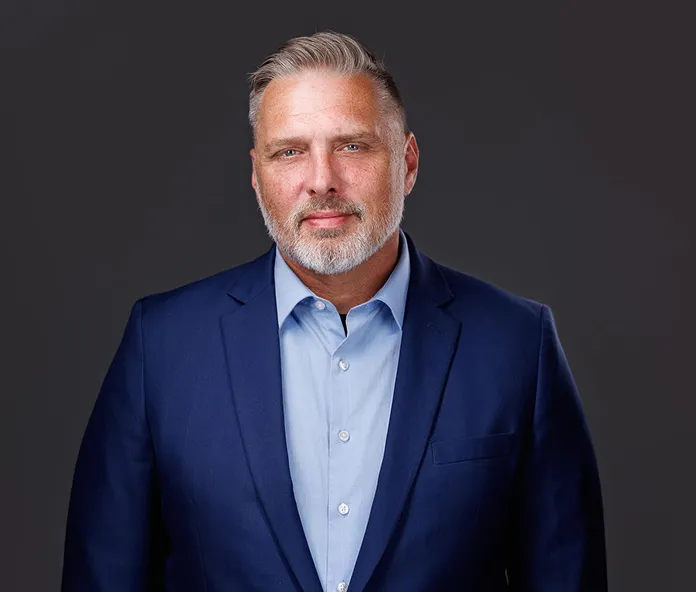
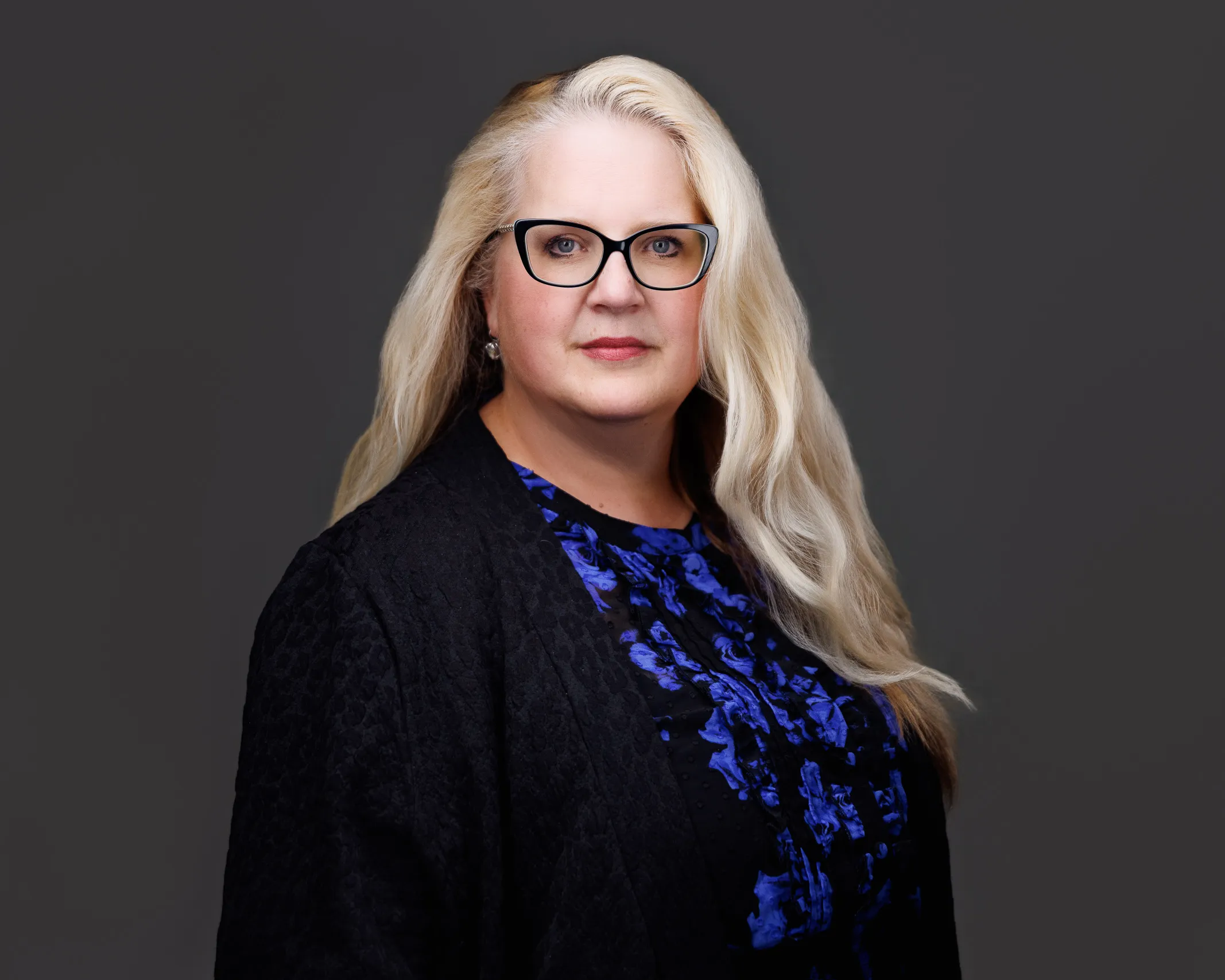
Your Milwaukee Injury Team
Leadership that sets the standard, and a dedicated personal injury group that carries your case day to day.

Wisconsin’s Comparative Negligence Rule
Wisconsin uses a modified comparative negligence standard. You can still recover compensation as long as you’re not more than 50% at fault for what happened. Your award gets reduced by whatever percentage of fault is assigned to you. Twenty-five percent responsible means a 25% cut off the top. Insurance companies know this rule well, and they use it. Adjusters routinely push fault percentages higher than the facts support. Every point shifted onto you is a point they don’t have to pay. We push back with police reports, witness statements, and scene photos before a number ever gets accepted. Sometimes that means bringing in an accident reconstruction expert.
Illinois’ Comparative Fault Standard
Illinois runs on a similar but distinct modified comparative fault rule. It also bars recovery past the 50% threshold. The overlap causes real confusion for clients hurt near the state line. A crash on I-94 might implicate Wisconsin law, Illinois law, or both, depending on where it happened and where the parties reside. We sort out which jurisdiction governs before we file anything. Getting it wrong can cost a claim its deadline.
Statute of Limitations
Wisconsin gives injury victims three years from the date of injury to file suit in most cases. Illinois generally allows the same three-year window. Claims against government entities in either state can carry notice deadlines as short as 120 days. Miss it, and the claim is gone. It doesn’t matter how strong it was. If there’s any chance a government vehicle, municipal property, or public employee was involved, call us immediately. That clock starts running fast.
Recoverable Damages
Wisconsin and Illinois both allow injured people to pursue compensation for a range of losses. Most clients underestimate what should be on that list until we walk through it with them.
Past and future medical expenses
hospital bills, surgery, physical therapy, and ongoing care your injury requires
Lost wages and diminished earning capacity
what you’ve already lost, plus what a lasting injury costs you going forward
Pain and suffering
the physical and emotional toll that doesn’t show up on a medical bill
Property damage
your vehicle, and anything else damaged in the incident
Emotional distress
anxiety, sleep disruption, and other psychological effects that follow serious trauma
Punitive damages
available in a smaller set of cases involving especially reckless or intentional conduct.
The value of any one claim depends on injury severity, treatment length, and how much of your life the injury actually changed. A soft tissue injury that resolves in six weeks isn’t worth the same as a spinal injury that changes what work you can do for the rest of your life.
How We Build Your Case
Insurance companies have a playbook. Ours is built to counter it, case by case.
1
Investigating the scene while evidence is still fresh — skid marks fade, security footage gets overwritten, memories get fuzzy
2
Pulling complete medical records rather than the summary an adjuster requests
3
Calculating future medical costs with input from treating physicians, not just an actuarial table
4
Documenting lost income and career impact, including work you can no longer physically perform
5
Identifying every liable party. Sometimes there’s more than one, and sometimes it’s not who you’d expect
6
Negotiating from a position that assumes trial, not one that assumes settlement
7
Filing suit and litigating when an insurer won’t offer what the case is actually worth.
Why Choose Tabak Law Injury Attorneys?
We fight insurance companies — not you
Adjusters are trained to minimize payouts. We’re trained to stop that from working.
Case preparation starts day one
Scene investigation, medical record collection, and expert consultation begin the moment you hire us, not months later.
We prepare every case as if it’s going to trial
Most cases settle. Insurers pay more when they know you’re not bluffing.
No fee unless we win
Free consultation, contingency representation. You owe us nothing unless we recover for you.
Client Experiences
People we stood beside.
Behind every case is a real person facing a difficult moment. Here is how clients describe working with our team.
Frequently Asked Questions
Talk to a Milwaukee Personal Injury Attorney Today
You don’t have to sort through Wisconsin and Illinois injury law on your own while you’re still recovering. Our Milwaukee-based team evaluates your case, builds it the right way from day one, and fights for the full value of your claim. No fee unless we win.